BASE COFFEE classic(オリジナルドリップバッグ製作所)
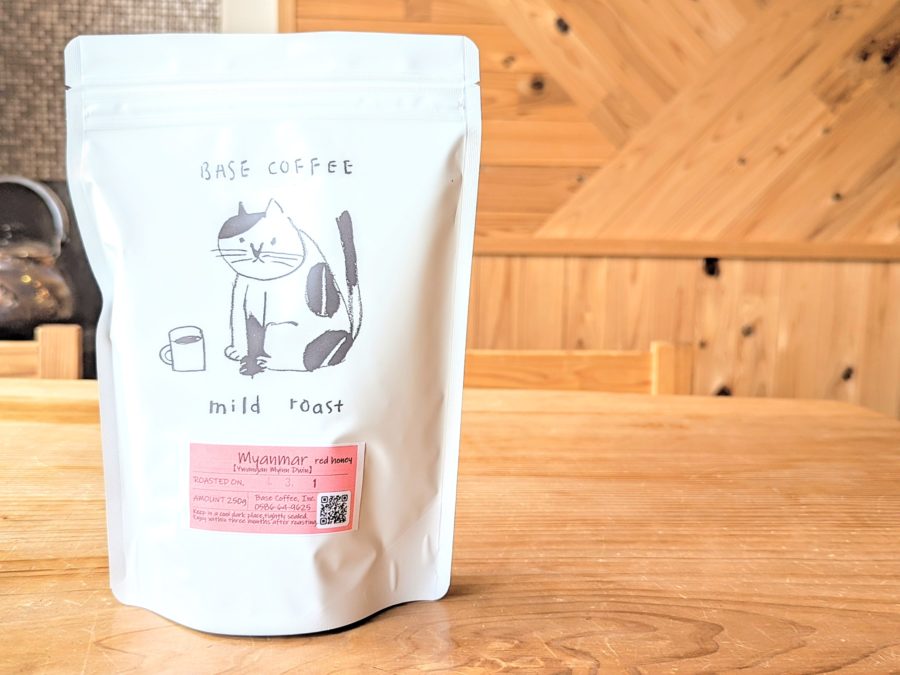
Myanmar Mindwin Village Red Honey — Mild Roast
Myanmar Mindwin Village Red Honey — Mild Roast
픽업 사용 가능 여부를 로드할 수 없습니다.
BASE COFFEE Recommended Coffee No. 2
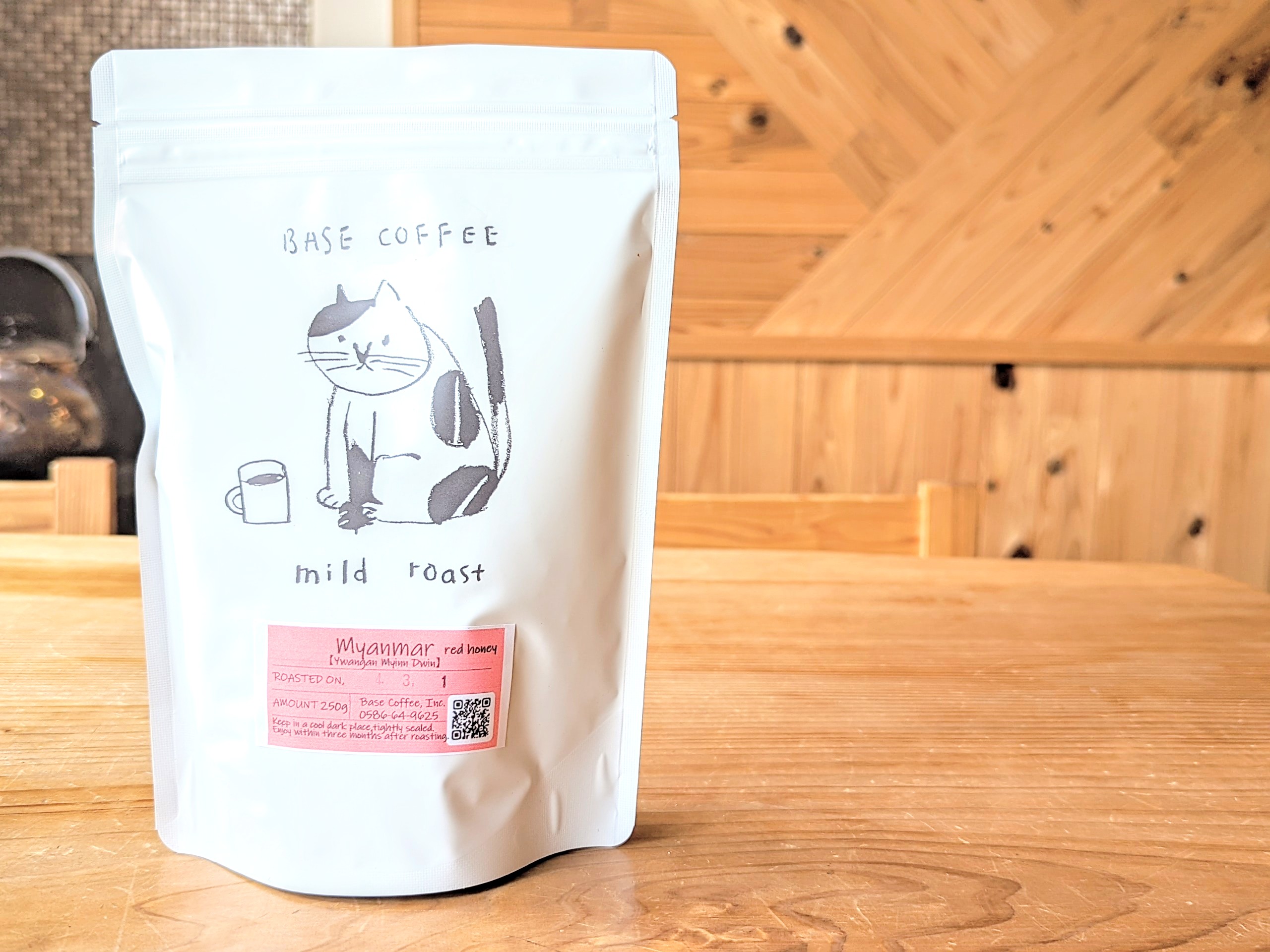
This is one of two types of coffee specially made for BASE COFFEE, a Red Honey (Pulped Natural) coffee.
It is a balanced and clean coffee with a lingering sweet aftertaste.
"Click here for the other type, Natural"
Delivered in BASE COFFEE original burlap bags
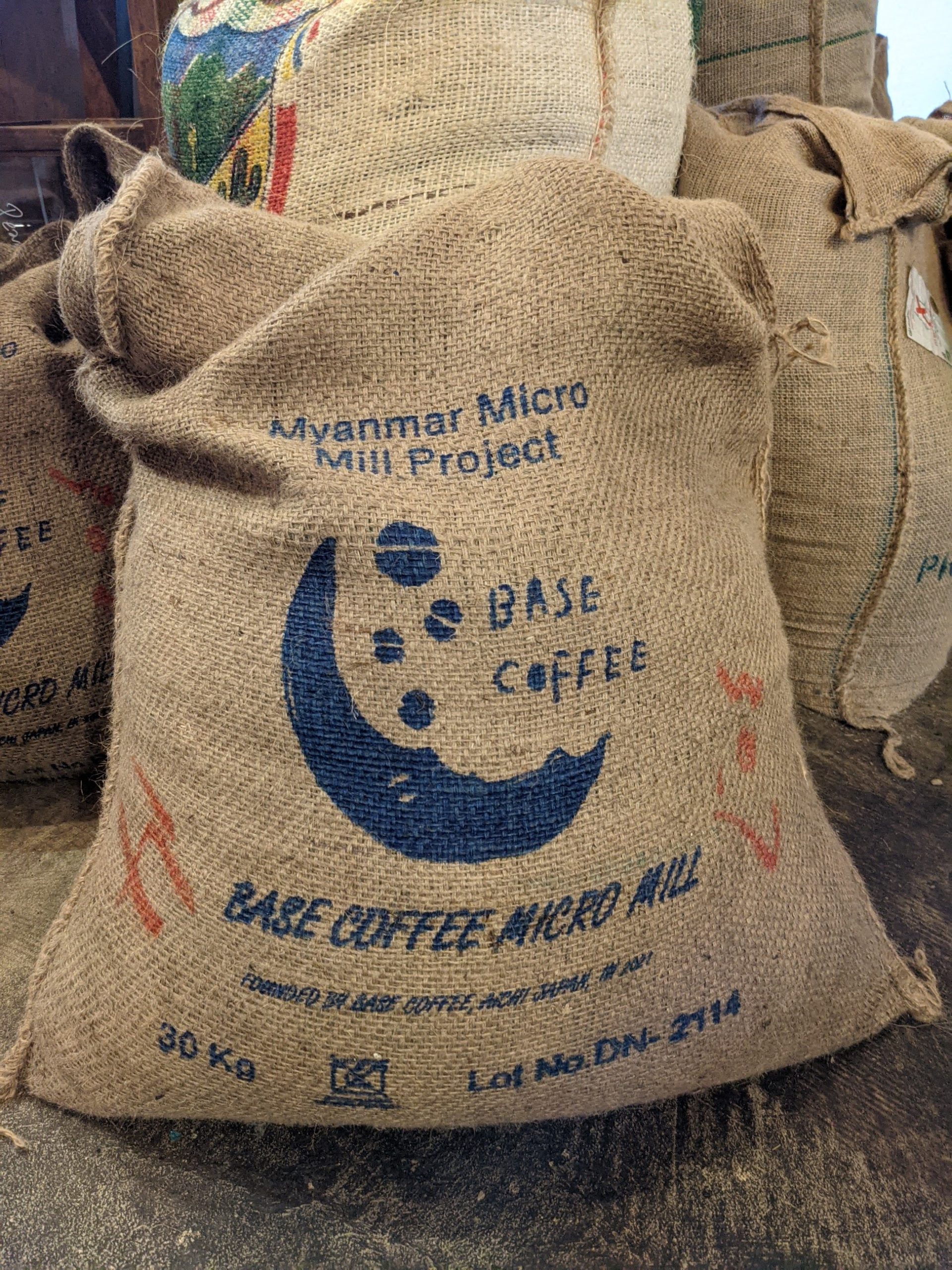
This is BASE COFFEE's first delivery in burlap bags featuring the BASE COFFEE logo.
This is BASE COFFEE's top recommended coffee, delivered from a micro-mill in Mindwin Village.
Micro-Mill Project
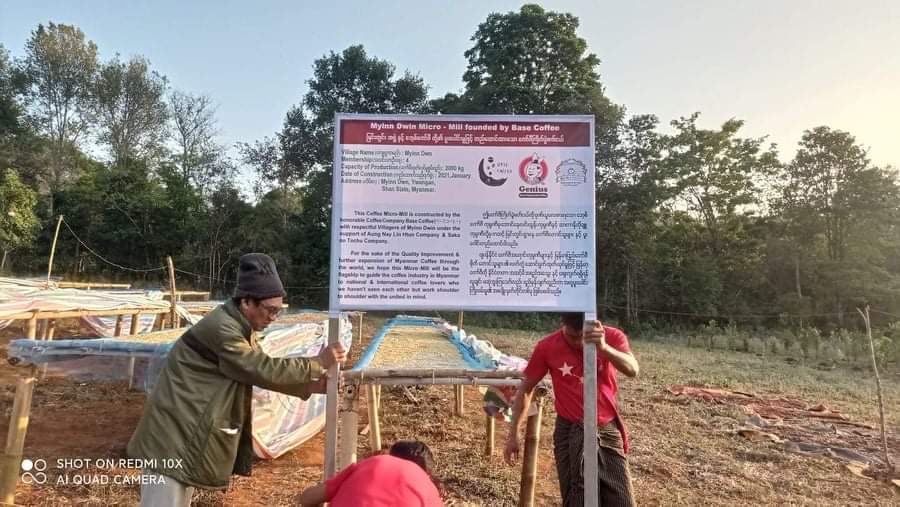
This is a project called "Let's Build a Micro-Mill (Small Coffee Processing Plant)" with coffee farmers in Ywangan, Shan State, Myanmar.
By building micro-mills, farmers in each village, who previously only sold coffee cherries, will be able to process them themselves.
Processed products can be sold with added value compared to raw coffee cherries, leading to increased income.
Furthermore, each village will be able to create its own unique coffee, allowing us to introduce micro-lots with the unique flavors and stories of the producers in each village.
BASE COFFEE has sponsored Mindwin Village. Mindwin Village is a small village with 50 households, and three households, led by Han Min Soe, who is actively cultivating coffee, have been entrusted with managing the micro-mill.
Please try the two types of coffee from Mindwin Village.
"For more details on the Micro-Mill Project, please see this column ('ω')ノ"
https://basecoffee.jp/column/coffee/1381/
Mild Roast (medium-dark roast coffee)
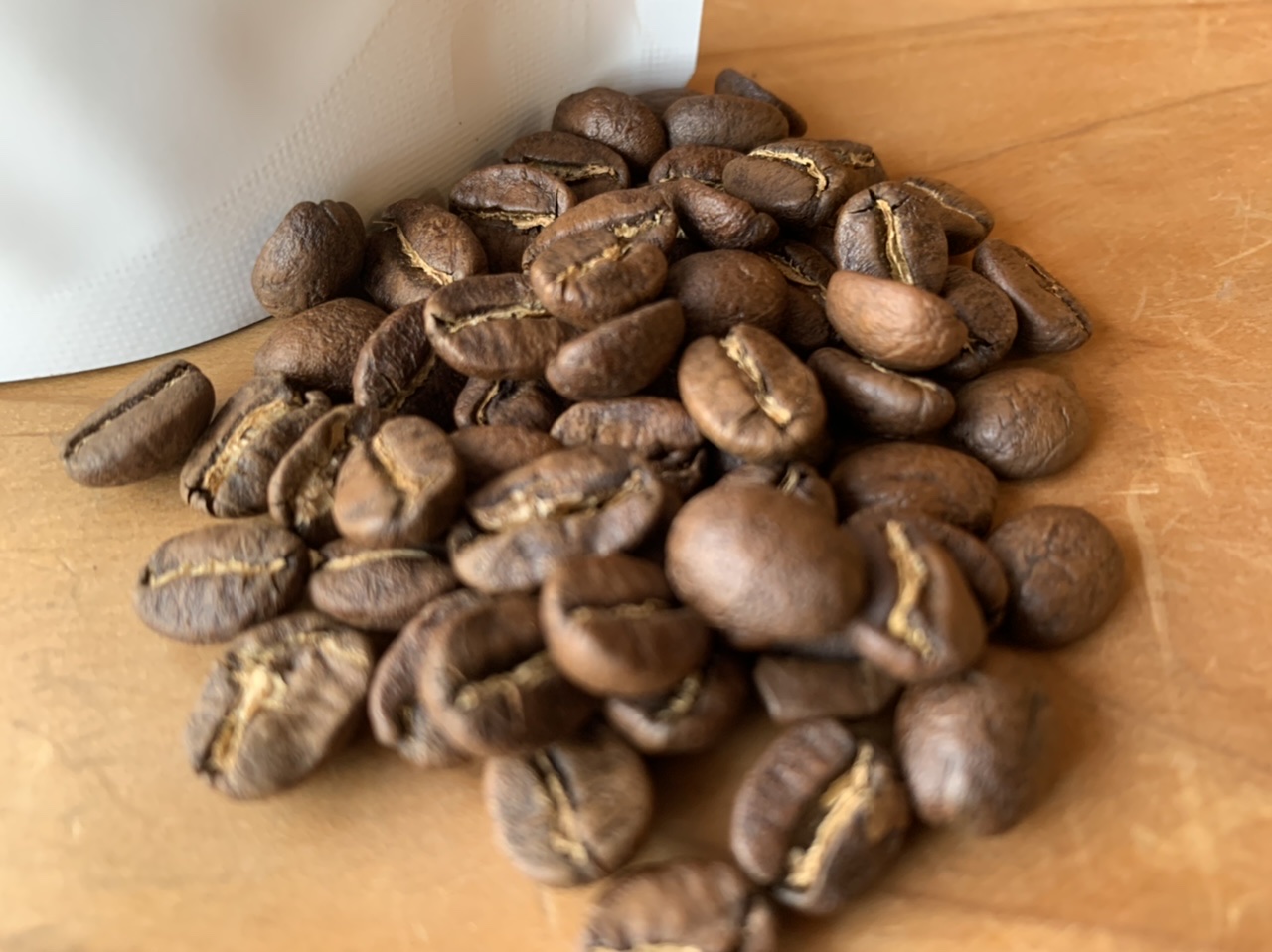
Mild roast coffee is characterized by its "mildness" and "sweetness."
For mild roast coffee, it is very important to balance the body, acidity, and sweetness.
If any one of these stands out too much, the balance will be lost, so it is necessary to carefully determine the end time of roasting.
For single-origin coffees, we strive to achieve a balanced flavor that tastes delicious when brewed with a paper drip, without compromising the unique characteristics of the origin.
Changes in aroma during the roasting process
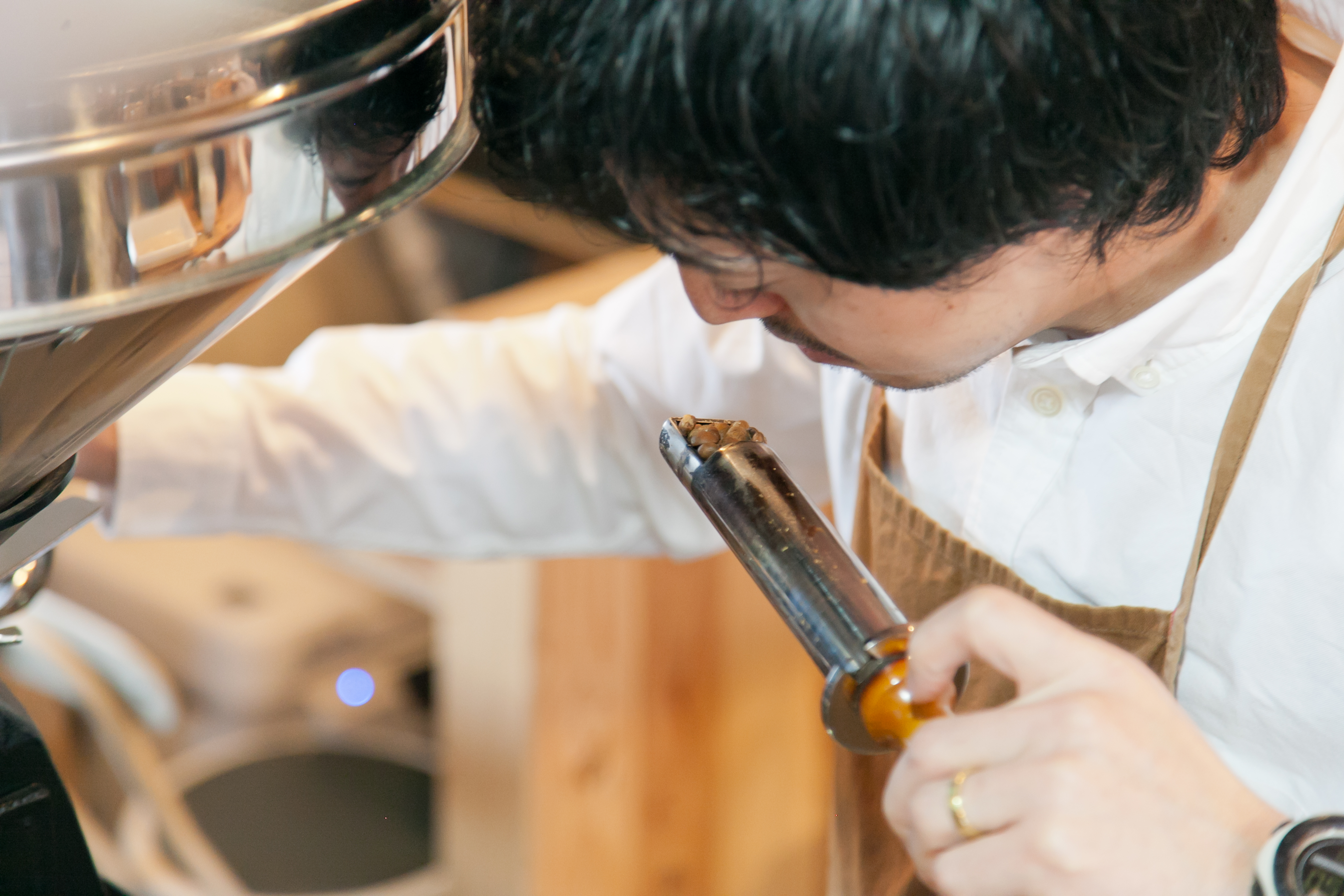
From the start of roasting to the end, the aroma of the coffee beans changes moment by moment.
There are several critical points of change, and missing them can significantly affect quality.
To ensure we can always detect these aromas, we pay close attention to our physical condition, avoiding strong-smelling foods (like onions and garlic), and striving for daily quality control, which are the minimum requirements for a roaster.
Quality Control

At Base Coffee, we perform a quality check after every roast.
Especially during seasonal changes, it is essential to review the roasting process due to changes in temperature and humidity.
"Cupping" is the quality check that allows us to detect these changes.
We believe that by repeatedly and diligently noticing subtle changes in taste through daily cupping and feeding that back into the roasting process, we can deliver consistent quality.