
Let's learn about the production region!: Honduras Edition
I believe even those not well-versed in coffee know that Brazil is the largest coffee producer in Central and South America.
So, if we narrow it down to just Central America, which country is the largest coffee producer?
It's Honduras, a small country with an area of only about one-third of Japan.
For the fourth installment of our "Get to Know the Production Regions" series, we introduce Honduras and explore its coffee and production in this beautiful country facing the Caribbean Sea!

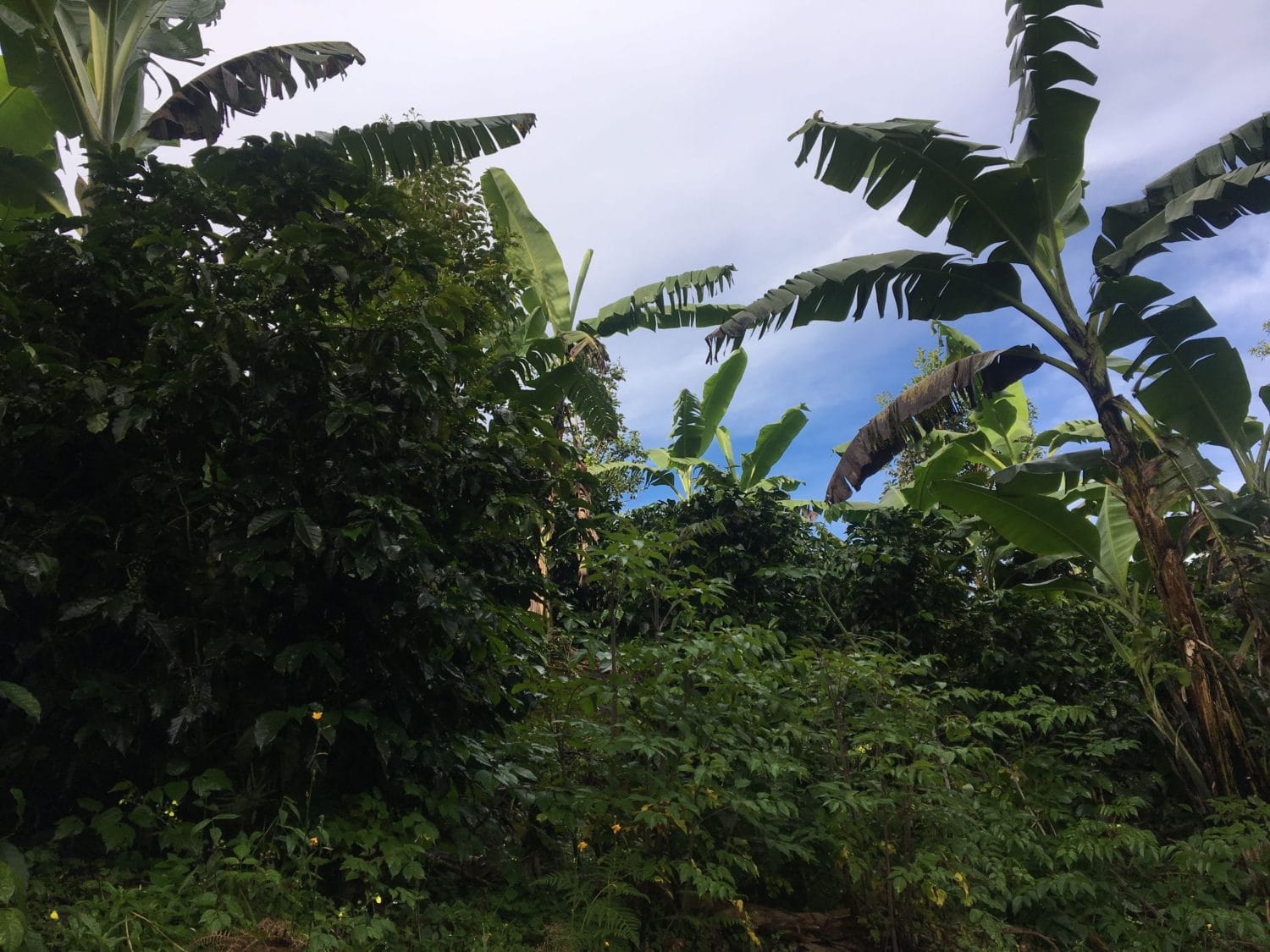

 COE Honduras El Sauce Farm
The vibrant muscat-like flavor that spreads from the first sip, the deep cacao-like taste, and the clean finish that leaves no bitterness or unpleasant aftertaste make this coffee a blissful experience.
Furthermore, at our store, we serve it using the American Press, as introduced in a previous column, allowing you to fully savor the bean's inherent flavor.
Click here for more about the American Press: Base Coffee's Brewing Method: American Press Edition
COE Honduras El Sauce Farm
The vibrant muscat-like flavor that spreads from the first sip, the deep cacao-like taste, and the clean finish that leaves no bitterness or unpleasant aftertaste make this coffee a blissful experience.
Furthermore, at our store, we serve it using the American Press, as introduced in a previous column, allowing you to fully savor the bean's inherent flavor.
Click here for more about the American Press: Base Coffee's Brewing Method: American Press Edition
Production Overview
Honduras is the largest coffee producer in Central America. This country, with its many towering mountains, has all the conditions for producing high-quality coffee, such as volcanic-rich soil and cultivation at high altitudes. Let's take a look at the production overview in Honduras!Production Volume
According to data from the International Coffee Organization, Honduras's coffee production in 2018 was 7.45 million bags, totaling 447,000 tons. This makes it the number one producer in Central America and the sixth largest in the world, accounting for approximately 4% of total global production. The coffee produced is essentially Arabica, and small-scale farms practice organic farming, planting sun-grown trees and shade trees alongside coffee plants.
Production Environment
The increase in coffee production in Honduras began after 2001, lagging slightly behind other countries. However, thanks to the activities of the Honduran Coffee Institute, which included constructing producer support facilities and providing training and development assistance to producers, it is now the largest producing country in Central America. Additionally, Honduran coffee is noteworthy for its traceability, allowing consumers to know detailed production history, such as which farmer produced it and which producer organizations were involved. While Honduras has an environment conducive to producing high-quality coffee, there is one issue that affects quality: high rainfall. Rain hinders the drying of beans after processing, impacting quality, so various initiatives are being undertaken to solve this problem.Grades
Honduran coffee is graded according to the altitude of its cultivation area. If the cultivation altitude is 1200m or higher, it is called "Strictly High Grown (SHG)," and if it is between 900m and 1200m, it is called "High Grown (HG)." Incidentally, if it is even lower, between 600m and 900m, it is called "Central Standard (CS)."Main Production Areas
Honduras produces coffee in all regions from November to April. Here are some notable regions.
Copán Region
Located in western Honduras, bordering Guatemala, this region includes the department of Copán and four surrounding departments. It is characterized by coffee with a cocoa-like sweetness and a rich body.Montecillos
This region is adjacent to the Copán region, with notable districts such as Marcala and La Paz. It is also famous for having many high-altitude cultivation areas. The coffee is characterized by bright citrus notes and a rich body.Agalta
This region stretches across northern Honduras and is home to many protected forests, making it a popular ecotourism destination. The coffee here is appealing for its sweet, tropical fruit-like flavor. In addition to these, regions like Comayagua in the central-west and El Paraíso in the east are also known for high-quality coffee, so you might encounter these names somewhere in the future!Characteristics
Honduran coffee is often characterized by a sweet aroma, a clean acidity, and a refreshing aftertaste. However, what's interesting about Honduras, the largest coffee producer in Central America, is that contrasting coffees are produced within the same country—some have nutty, fragrant, and mild flavors, while others boast strong fruity acidity and flavor. It's fascinating how the next Honduran coffee you drink might not taste similar to the one you had before. Please pay attention to the flavors and enjoy! The Honduran coffee handled by Base Coffee, COE Honduras El Sauce Farm, as its name suggests, is a winner of the 2017 COE (Cup of Excellence), meaning it is one of the most highly-rated coffees in Honduras in 2017!
COE Honduras El Sauce Farm
The vibrant muscat-like flavor that spreads from the first sip, the deep cacao-like taste, and the clean finish that leaves no bitterness or unpleasant aftertaste make this coffee a blissful experience.
Furthermore, at our store, we serve it using the American Press, as introduced in a previous column, allowing you to fully savor the bean's inherent flavor.
Click here for more about the American Press: Base Coffee's Brewing Method: American Press Edition